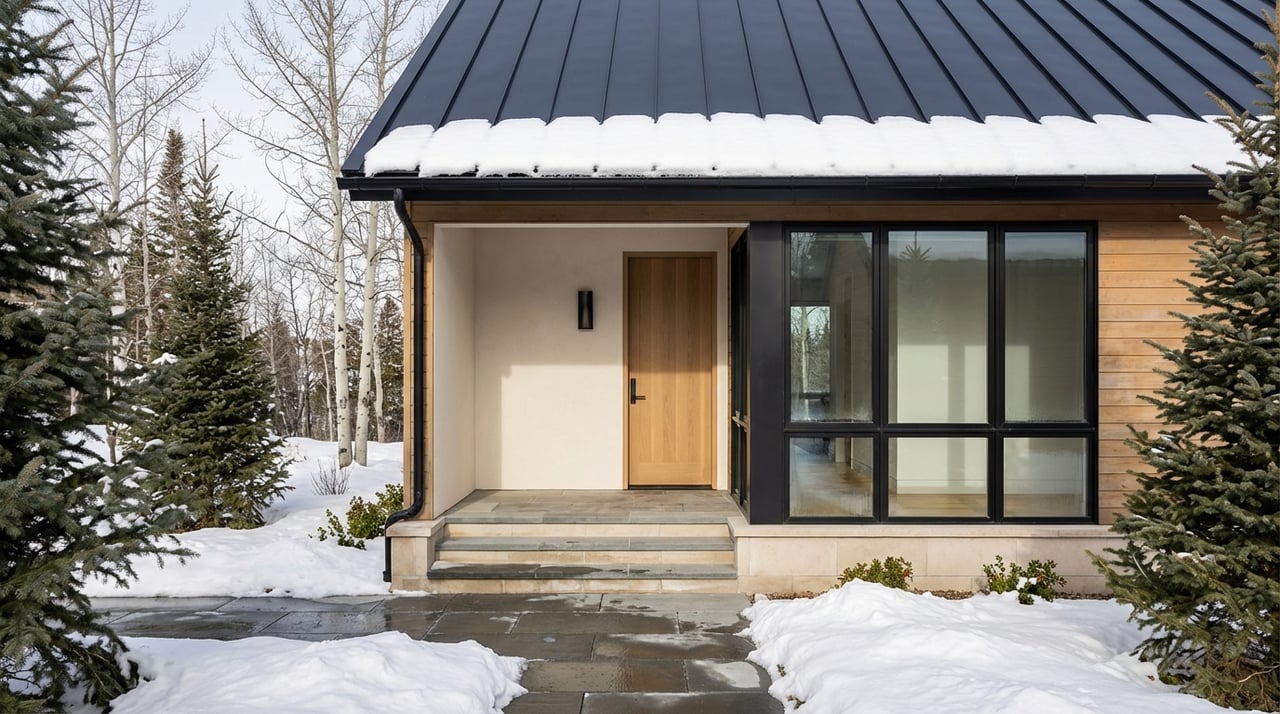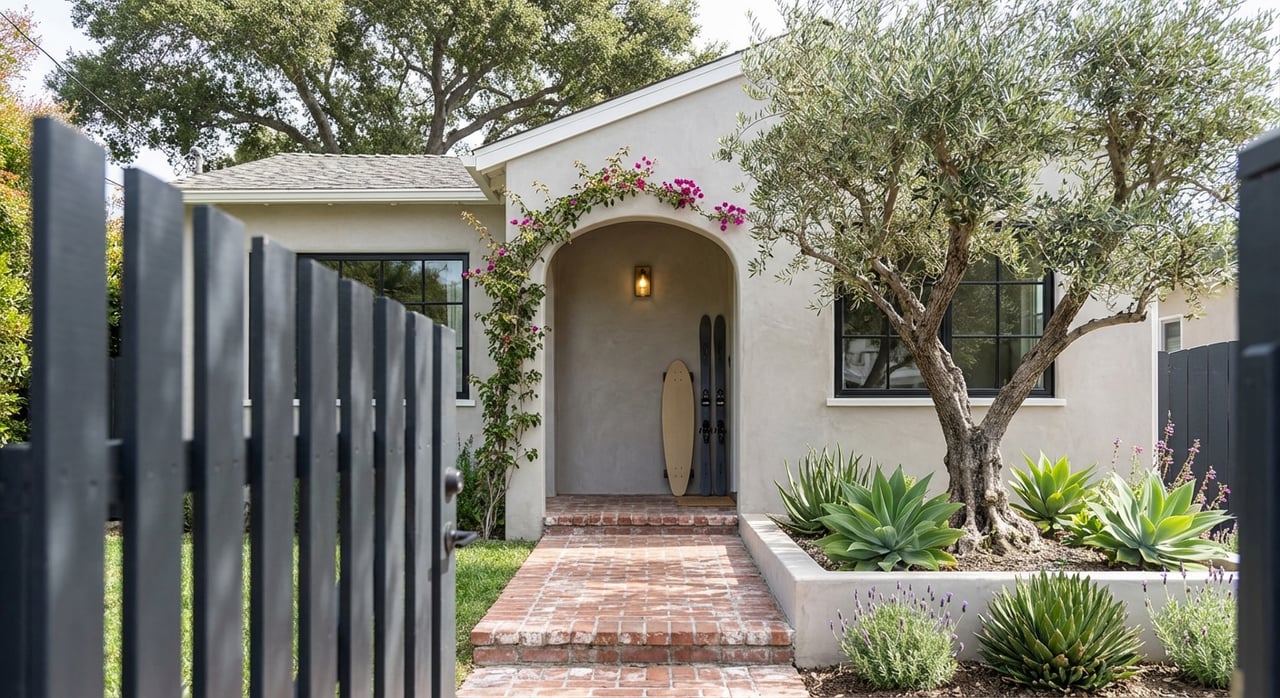
What if your year flowed from salt air to fresh powder without stress or guesswork? If you split time between Laguna Beach and Park City, you want a lifestyle that feels seamless, not split. With smart planning, you can enjoy peak seasons in both markets, simplify travel, and even offset costs with compliant rentals. Here is a clear, practical roadmap to help you balance both homes with confidence. Let’s dive in.
Why pair Laguna Beach and Park City
Laguna Beach offers a refined coastal lifestyle with art, dining, and walkable village energy. Park City brings world-class skiing and a relaxed mountain pace. Together, they create a year that matches the seasons: ocean breezes and festivals in summer, crisp snow days and après in winter. If you value both settings, this pairing can deliver a complete annual rhythm.
Market snapshots at a glance
Laguna Beach sits in a premium tier with average home values around the high two million range, reflecting oceanfront estates, village homes, and upscale condos. Supply is tight and pricing varies by neighborhood. Seasonal visitor demand supports strong summer hotel and short-term rates, especially around signature arts events. Explore event programming through the official visitor site to see how summer drives travel and interest in town. You can review the city’s festivals and travel planning on Visit Laguna Beach.
Park City spans a wide price range with a strong luxury segment. The market is deeply seasonal, with a winter ski peak and growing summer activity. Neighborhoods differ widely, so align your search with on-mountain access, Old Town charm, or broader valley settings based on how you plan to use the home. For an overview of year-round activities and planning, see Visit Park City.
When to use each home
Many dual-market owners follow a simple pattern.
- Winter in Park City for ski season. December through March brings the highest nightly rates and occupancy, especially around Christmas, New Year, and Presidents’ Week. Park City’s summer has grown, but earnings still center on winter.
- Late spring through fall in Laguna Beach. May through September is ideal for beach weather and the renowned arts calendar, including Pageant of the Masters, Sawdust, and Festival of Arts highlighted on Visit Laguna Beach. Summer brings the highest local demand.
- Shoulder seasons flex. Spring and early summer often split time between both homes. Fall can be a great Laguna window for quieter beach days and warm sunsets.
One note on winter events: The Sundance Institute confirmed the festival will remain in Utah for 2026 and move to Boulder in 2027. That change will shape Park City’s January demand pattern long term. You can read the announcement on the Sundance Institute site.
Travel logistics that work
For most Orange County owners, the routine is simple: fly SNA or LAX to Salt Lake City, then continue by car or shuttle to Park City.
- Flights. Nonstop options between John Wayne Airport and Salt Lake City are common. Typical air time often runs about 1.5 to just over 2 hours depending on winds and routing. For route planning, review carriers and schedules on Expedia’s SNA to SLC page.
- Ground transfer. From SLC, the drive to Park City is commonly about 35 to 45 minutes, weather permitting. In heavy snow, allow more time or book a shuttle or private transfer.
- Trip rhythm. Many owners plan weeklong or multi-week blocks around key windows: holiday and mid-winter weeks for Park City, and July or August festival weeks for Laguna. Blocking time for both homes reduces conflicts and makes property staffing easier.
Short-term rental rules to know
If you plan to rent either home, compliance is nonnegotiable. Rules differ by city and zone, and they meaningfully affect value and income potential.
- Laguna Beach. The city tightly regulates short-term lodging to protect housing stock. New unhosted short-term units are capped. A Transient Occupancy Registration Certificate and quarterly tax reporting are required, along with permit display, occupancy, parking, and noise rules. Read the municipal code summary on ecode360. Laguna also collects a city Transient Occupancy Tax of 12 percent, and many stays include a tourism marketing assessment around 2 percent. See city tax details via the Orange County Taxpayers Association’s Laguna Beach page.
- Park City. Nightly rentals require a city Nightly Rental License in zones where they are allowed. Many residential zones prohibit nightly rentals, while resort and commercial zones permit them. Licenses need inspections, a local contact, insurance, and annual renewal. Start with the city’s guidance and application details on Park City’s Nightly Rental License page.
Practical takeaway: verify zoning, HOA rules, and permitting before you buy. In both markets, this is often the most important determinant of rental feasibility and resale value.
Taxes and residency basics
Tax structure can influence how you structure ownership and where you claim residency.
- State income tax. California uses a progressive system with top statutory rates often cited in the low teens, including a 1 percent surtax above certain income thresholds. Utah uses a flat rate that has been reduced to about 4.5 percent for the 2025 tax year. See comparative context from the Tax Foundation. Always consult your CPA for residency planning.
- Property tax structure. California’s Prop 13 limits annual assessed value increases and sets a base rate around 1 percent, with local bonds and assessments added to the bill. Utah and Summit County apply assessed values with different exemptions and rates. Review local assessor guidance for accurate estimates. For an overview of California’s property taxation, see Taxation in California.
- Lodging taxes. Nightly rentals in both cities must collect and remit local lodging taxes. In Laguna Beach, expect the 12 percent TOT plus local marketing assessments for certain stays, as summarized on OCTax’s Laguna Beach page. Platform collection varies by jurisdiction, so verify who remits and keep records.
Insurance and upkeep planning
Coastal and mountain homes face different risks and maintenance cycles. Plan service calendars and vendor relationships early.
- Laguna Beach. Salt air, storms, and landscaping need steady attention. Maintain paint, roofing, and irrigation. If you rent, ensure proper liability coverage and confirm any short-term rental endorsements with your insurer.
- Park City. Snow load, freeze risk, heating, and roof systems require proactive care. Line up snow removal, hot tub service, and a reliable local contact. Freeze-proofing and chimney or roof checks before winter are essential.
These rhythms affect cash flow and staffing. A trusted local manager in each market helps protect your time and your asset.
Rental income strategy
If you plan to rent when you are not in residence, build your strategy around seasonality and compliance.
- Park City revenue profile. Winter weeks drive a large share of annual revenue, with very high average daily rates during peak ski weeks. Model your pro forma so that a handful of weeks carry much of the year’s income. Expect lower shoulder-season ADRs and occupancy.
- Laguna Beach revenue profile. Summer brings strong demand and steady ADRs, especially around festival weeks and holidays. Supply is constrained by permitting, which tightens availability and shapes pricing. Shoulder seasons soften.
- Pricing and calendars. Hold the most valuable weeks for your own use, then release selective windows to the market. A well-timed calendar helps you enjoy peak lifestyle value while capturing strong ADRs in non-conflicting periods.
- Management and tax remittance. Professional local managers can handle permit display, guest screening, quiet-hours enforcement, and lodging tax filings. Where platforms do not remit taxes for you, plan quarterly filings and recordkeeping. For tax collection nuances, review this overview from Avalara’s lodging tax blog.
Buying checklist for two markets
Use this quick framework before you write an offer in either city.
- Confirm nightly rental eligibility, if relevant. Check city zoning, HOA rules, and permit caps. Review requirements on Laguna Beach’s code page and Park City’s license page.
- Price your target segment. Values vary by neighborhood, building, and view corridor. Use neighborhood-level comps that match your lifestyle priorities and access needs.
- Underwrite seasonality. Stress test income for Park City if you miss one or two peak winter weeks, and for Laguna if you skip midsummer.
- Map travel time. Align flight options and transfer plans to your schedule, especially for winter storm days.
- Budget operations. Include property management fees, insurance, snow or landscape service, utilities, and reserves for big-ticket items.
- Plan tax and title. Coordinate with your CPA and attorney on ownership structure, residency planning, and estate goals.
How I support your plan
You deserve a seamless, concierge experience across both markets. I help you match property to lifestyle, keep the details tight, and protect your time.
- Cross-market search and strategy. We pinpoint where you gain the most lifestyle value in each season, then target neighborhoods and buildings that fit your pattern.
- Permit and compliance navigation. I coordinate with city resources and HOA documents so you understand what is possible before you buy.
- Pro-level marketing if you sell. With Engel & Völkers’ international reach and polished storytelling, your listing gets the right eyes across coastal and resort buyer pools.
- Trusted local teams. I connect you to vetted managers, vendors, and advisors in both cities so operations feel turnkey.
If you are ready to explore a dual-market plan that fits your life, let’s connect for a private conversation. You can learn more and reach out through Lindsay Clark Shields.
FAQs
What months are best for Laguna Beach versus Park City?
- Winter months often favor Park City for skiing, while late spring through early fall favors Laguna Beach for beach weather and arts events highlighted on Visit Laguna Beach.
How strict are Laguna Beach vacation rental rules?
- Laguna Beach requires permits, tax registration, and strict operating standards with caps on new unhosted units, outlined in the municipal code.
Can I rent my Park City property nightly anywhere in town?
- No; nightly rentals depend on zoning and HOA rules, and you need a city Nightly Rental License where allowed per Park City’s requirements.
How long is the trip from Orange County to Park City?
- Nonstop flights between SNA and SLC typically take about 1.5 to just over 2 hours, plus a 35 to 45 minute drive to Park City; see routes on Expedia.
How do California and Utah state taxes compare for owners?
- California has higher top personal income tax rates, while Utah uses a lower flat rate; review context from the Tax Foundation and consult your CPA.
What should I budget for property management in both markets?
- Luxury short-term rental management often runs 20 to 35 percent of gross revenue, plus maintenance, insurance endorsements, and lodging tax remittance costs.