If you want a mountain property that works beyond ski season, Lower Deer Valley deserves a closer look. This part of Deer Valley gives you front-door access to winter recreation, but it also stays relevant through summer concerts, trail days, and easy trips into Park City. If you are weighing a second home, a lock-and-leave condo, or a year-round retreat, this guide will help you understand why Lower Deer Valley stands out. Let’s dive in.
Why Lower Deer Valley Feels Year-Round
Lower Deer Valley is centered around Snow Park, the main base area of Deer Valley Resort. That matters because Snow Park is not tucked away as a winter-only outpost. Deer Valley notes that most properties here are within a mile of Historic Main Street, which gives the area a more connected, everyday feel.
Park City also functions as a true four-season mountain town. The city describes itself as a year-round destination with two major ski resorts and roughly 8,500 full-time residents. For you as a buyer, that supports the idea that Lower Deer Valley can serve as an active home base in every season, not just a holiday ski address.
Winter Lifestyle at Snow Park
In winter, Lower Deer Valley operates as the front door to the resort. Snow Park gives you access to Snow Park Lodge, ski school, the Children's Center, beginner-friendly Wide West terrain, and a mix of ski-in/ski-out lodging and private homes. That setup can make day-to-day ski use feel easier, especially if you want a straightforward base for weekend trips or longer stays.
For owners who use their property with family or visiting guests, the base area offers practical advantages beyond lift access. Deer Valley also notes year-round care for children ages 2 months to 12 years. That kind of built-in support can make a mountain home more usable during school breaks and holiday visits.
Summer Brings a Different Energy
One of the strongest reasons Lower Deer Valley works as a year-round base is that the activity does not stop when the snow melts. Deer Valley highlights summer programming that includes lift-served mountain biking, hiking, scenic chairlift rides, and concerts. Instead of going quiet, the area shifts into a warm-weather mountain lifestyle.
Snow Park Plaza also plays a role in that seasonal change. Guided hikes meet there, and the resort promotes hiking-only trails accessed from Silver Lake Express and Sterling Express. Deer Valley also advertises nearly 60 miles of bike trails, which adds to the appeal if you want a property that supports active use in multiple seasons.
The concert calendar strengthens that lifestyle story. The Snow Park Outdoor Amphitheater hosts the Deer Valley Music Festival and Deer Valley Concert Series, while additional live music takes place on the Silver Lake lawn. For many buyers, that creates a balanced rhythm of recreation, dining, and entertainment through the warmer months.
Trails and Open Space Add Everyday Value
Park City’s broader trail network is a major part of Lower Deer Valley’s appeal. The city says it has more than 7,000 acres of preserved open space and more than 350 miles of recreational trails. That scale helps explain why owners often see the area as more than a resort base.
The broader trail system sits around 7,000 feet in elevation, and Park City says the summer season typically runs from about May through October. That gives you a long window for hiking, biking, and outdoor time. It is also worth knowing that weather can change quickly at this elevation, even in warmer months.
Main Street Access Makes a Difference
A mountain property can feel much more livable when dining and town access are simple. In Lower Deer Valley, the immediate dining scene is fairly compact and resort-oriented, with Deer Valley naming options such as Deer Valley Café, The Brass Tag, Snow Park Restaurant, and Cast & Cut. But the bigger story is how close you are to Historic Main Street.
Deer Valley says most properties in the Snow Park area are within a mile of Main Street. That gives you access to a wider restaurant and retail mix without giving up the resort setting. Main Street also hosts annual events such as Savor the Summit each June, adding another seasonal draw close to home.
A Car-Light Lifestyle Is Realistic Here
Transportation is one of Lower Deer Valley’s most practical strengths. Deer Valley says Snow Park guests can use resort transit and Deer Valley Direct, a complimentary on-demand ride service that includes destinations such as Historic Park City. That can reduce the need to drive for dining, errands, or après-ski plans.
Park City Transit adds another layer of convenience. The city says it has offered fare-free service since 1975 and operates nine bus routes year-round. A city route map lists Snow Park Lodge, Main Street, and Silver Lake with 30-minute frequency, which supports a more flexible, car-light lifestyle for many owners.
What Homes Typically Look Like
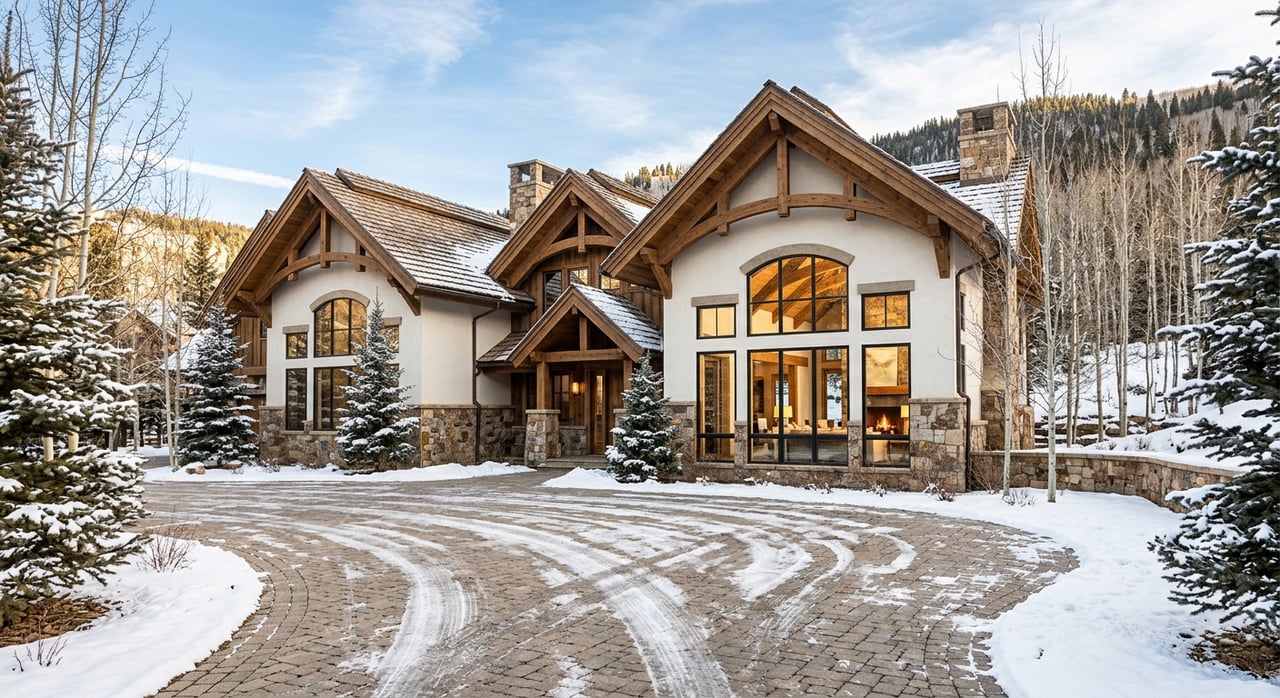
The housing mix in Lower Deer Valley leans heavily toward condos and lodge-style residences, though it is not limited to those formats. Deer Valley’s lodging pages describe one- to four-bedroom residences at Black Diamond Lodge and Trail’s End Lodge, townhome-style condominiums at Bristlecone, and inventory that can range from cozy rooms to ski-in/ski-out properties and seven-bedroom private homes. Silver Baron Lodge adds another example with hotel rooms and one- to four-bedroom condominiums.
For you as a buyer, that means the area can suit different ownership goals. You may be looking for a low-maintenance condo for easy weekend use, or you may want a larger private home for extended stays and guest flexibility. In either case, the neighborhood tends to support turnkey resort living more than cabin-style seclusion.
Why Lock-and-Leave Buyers Like It
Many Lower Deer Valley properties align well with lock-and-leave ownership. Recurring features in the area include fireplaces, private hot tubs, full kitchens, parking, fitness rooms, pools, concierge or shuttle service, and resort management. That mix can be especially appealing if you split time between Utah and another primary residence.
There is also an established management and HOA ecosystem in Deer Valley. The resort says it manages close to 500 properties, 15 HOAs, and more than 40 buildings across Deer Valley. For second-home buyers, that suggests an area already structured for seasonal use, service coordination, and streamlined ownership.
What the Resort Evolution Could Mean
Lower Deer Valley is not standing still. Deer Valley’s Expanded Excellence program says the Snow Park base area is being reimagined with new shops, restaurants, après venues, structured parking with direct access to a pedestrian plaza and lift infrastructure, a multi-modal transit center, and a new gondola connection. Those planned elements point to a more modern and connected base experience over time.
Park City’s planning process adds helpful context. The city says the Snow Park public-private partnership was approved by the city council on December 14, 2023, and the Phase I conditional use permit for the parking structure was approved on February 26, 2025. For buyers, that means the area’s access, circulation, and overall feel may continue to evolve.
Is Lower Deer Valley the Right Fit?
Lower Deer Valley can be a strong fit if you want a polished resort district with real four-season use. You get close access to skiing, summer recreation, concerts, transit, and Main Street, all within a setting built to support part-time and full-time ownership. That combination is hard to ignore if convenience matters as much as scenery.
The tradeoff is that this is not the most secluded mountain setting. Based on the area’s lodging mix, transportation links, and ongoing planning activity, Lower Deer Valley functions more like a refined resort base than a remote cabin enclave. For many buyers, that is exactly the point.
If you are comparing Park City neighborhoods or looking for a second home that fits both your lifestyle and long-term plans, Lower Deer Valley is worth serious consideration. Its appeal is not just about winter access. It is about having a mountain base you can actually enjoy all year.
If you are considering a Park City or Deer Valley purchase and want tailored guidance on lifestyle fit, ownership options, and market positioning, Lindsay Clark Shields can help you navigate the search with a polished, concierge-level approach.
FAQs
What makes Lower Deer Valley a year-round mountain base?
- Lower Deer Valley offers winter ski access through Snow Park and summer activities such as hiking, biking, scenic chairlift rides, and concerts, along with close access to Main Street and transit.
How close is Lower Deer Valley to Historic Main Street?
- Deer Valley says most properties in the Snow Park area are within a mile of Historic Main Street.
What kind of homes are common in Lower Deer Valley?
- The area is largely condo- and lodge-oriented, with options that can include one- to four-bedroom residences, townhome-style condominiums, ski-in/ski-out properties, and some larger private homes.
Can you live in Lower Deer Valley without driving everywhere?
- Many owners can maintain a car-light lifestyle thanks to Deer Valley resort transit, Deer Valley Direct, and Park City Transit’s fare-free year-round bus service.
What amenities do many Lower Deer Valley properties include?
- Common features in the area include fireplaces, full kitchens, hot tubs, parking, pools, fitness rooms, shuttle or concierge service, and access to HOA or resort management support.
What changes are planned for the Snow Park area in Lower Deer Valley?
- Deer Valley’s published plans for Snow Park include new shops and restaurants, après venues, structured parking, a pedestrian plaza, a multi-modal transit center, and a new gondola connection.