Imagine clipping into your skis on your patio and gliding straight to first chair. In Upper Deer Valley, that dream can be real, but “ski-in/ski-out” means different things from one property to the next. If you are considering a second home or investment here, understanding the exact access can protect both your lifestyle and your long-term value. This guide breaks down the access types, how lifts and grooming shape daily life, what HOAs really cover, and the essential due diligence to do before you buy. Let’s dive in.
What ski-in/ski-out means in Upper Deer Valley
“Ski-in/ski-out” is a marketing term, not a legal standard. There is no universal definition, which is why you should verify the specifics for any property through recorded documents and maps.
Here are practical access categories you will encounter in Upper Deer Valley:
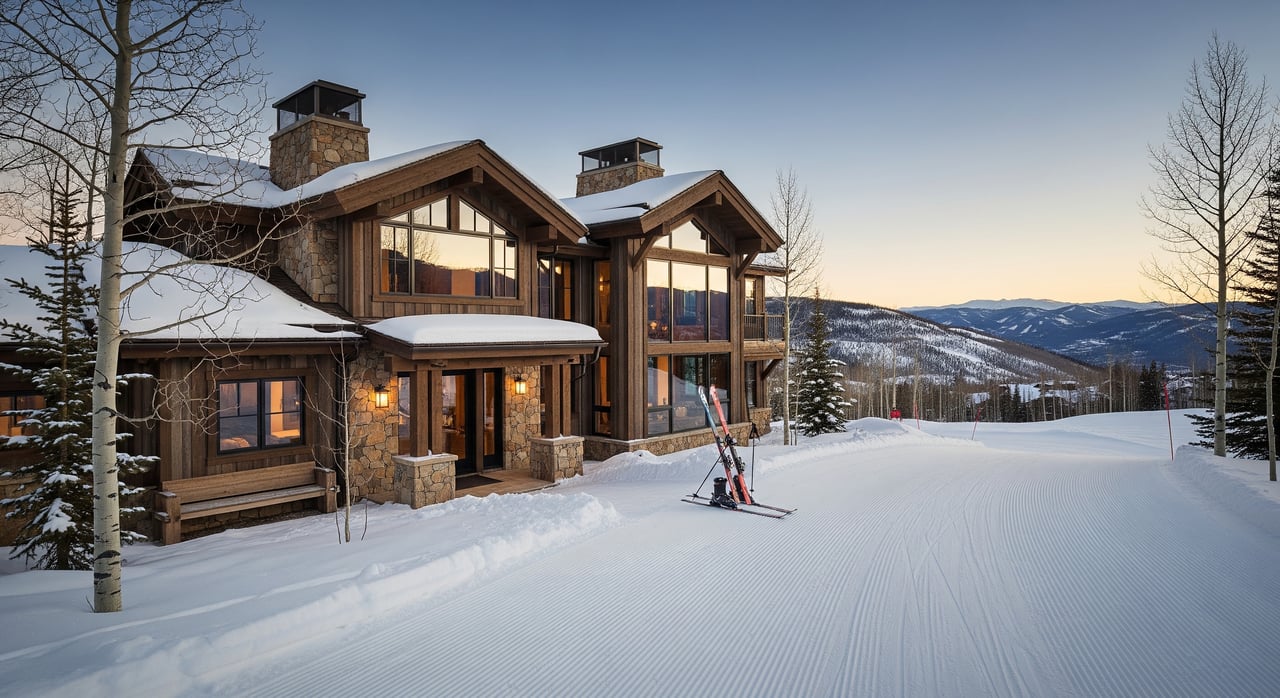
- True piste-frontage (direct): The property fronts a groomed run or connector. You step out and ski to a lift without using roads or walking long distances.
- Direct access with short bootpack: You take a short, usually flat or slightly uphill walk under 100 yards to reach a groomed run or lift.
- Lift-served proximity: You are adjacent to or within a quick walk of a chairlift or surface lift. You might carry skis a short distance.
- Ski-adjacent or ski-available: You use a short shuttle, cross a road, or follow an HOA-maintained path to access the mountain.
- Mechanized access: A small number of estates rely on a private snowcat, sleigh, or similar service, often with added coordination and costs.
Two resort details shape day-to-day life: Deer Valley is a skier-only resort, and it operates during daytime hours only. There is no night skiing. That means you should plan for last-chair timing and alternate routes home if lifts or runs close.
Access by enclave and site factors
Upper Deer Valley includes a mix of condos, townhomes, slope-front homes, and private estates. Each setting offers a different type of access.
- Village and condo complexes near base areas: Expect shared corridors, ski lockers, and internal routes to lifts. Access is convenient, though you may walk a short distance inside the complex.
- Slope-front homes and townhomes: These front directly on a named run or connector and typically deliver the most reliable “true” ski-in/ski-out experience.
- Mid-hillside or ridgeline homes: Close to terrain but may require a traverse, short bootpack, or use of a service path. Steep pitches and exposure can influence ease of return.
- Remote gated estates: Some rely on private mechanical transfer or recorded easements. These arrangements are unique and must be documented.
Site conditions also matter:
- Elevation, slope, and aspect: These determine how often a connector is skiable. Sunny aspects can crust or melt, especially in shoulder seasons.
- Grooming and maintenance: Resort-groomed runs are predictable. Private or HOA connectors vary by who maintains them and how often.
- Road crossings: A few properties require crossing access roads. Safety depends on signage, plowing, and visibility.
- HOA operations: Some communities groom connectors and run shuttles. Others place more responsibility on homeowners.
Lifts, grooming, and seasonality
Where you are relative to a lift affects your morning and afternoon flow. Proximity can mean easier first tracks, faster mid-day returns, and simpler end-of-day logistics.
- Daytime-only operations: With no night skiing, plan your return before last chair. If a run closes for safety or an event, you may need to walk or take a shuttle.
- Trail types: Resort-designated runs are maintained by the resort. Many connectors within communities are HOA-maintained. Confirm who grooms and on what schedule.
- Safety and boundaries: Ski patrol and avalanche control are conducted on resort terrain. Private connectors or easements off-resort may not be covered the same way.
- Seasonal changes: Early and late season can require short walks even for slope-front properties. Spring melt-freeze can make flat traverses icy, which may change how you come and go.
HOA services and legal essentials
The right HOA can simplify your ski life. It can also add costs you should factor into your decision.
Common HOA services include:
- Shuttles to base areas and lifts.
- Grooming of private connector trails within the community.
- Snow removal for paths, driveways, and sidewalks, sometimes with snow-melt systems.
- Concierge amenities such as ski lockers, boot rooms, and equipment services.
- Security and gate operations, including maintenance of mechanical access if applicable.
Legal and maintenance details to verify:
- Recorded easements and rights-of-way: Confirm deeded access to a trail or lift.
- CC&Rs and maintenance schedules: Identify who pays for grooming, snow removal, and repairs, along with any cost-sharing.
- Agreements with Deer Valley Resort: Some HOAs have formal trail connection agreements. Confirm scope and whether agreements are transferrable.
- Public vs private land: If connectors cross public land, additional rules and permits may apply.
Liability and cost considerations:
- Insurance coverage differs between HOA-maintained paths and resort terrain. Review coverage and indemnity language.
- HOA dues and assessments often reflect the convenience of daily grooming and shuttles. Build these into your ownership and rental calculations if allowed.
Daily scenarios: from doorstep to lift
To visualize how access feels, here are three common scenarios:
- Home A: True slope-front. You step from your patio onto a groomed connector and are on a lift within minutes. Returning home is a simple glide at day’s end.
- Home B: Short bootpack condo. You carry skis across a flat footpath to the nearest groomed run. Most days it is easy, though heavy snow or firm spring mornings can make the walk slower.
- Home C: Private estate with mechanized access. Your HOA’s snowcat brings you to a resort access point on a schedule. It is unique and luxurious, but it requires coordination and often higher fees.
Buyer due diligence checklist
Use this focused list to confirm the details that matter most.
Operational access
- Is the property marketed as ski-in/ski-out, and can the seller show recorded access on the deed or plat that overlays with resort maps?
- Where is the resort boundary relative to the property?
- Is the connector a resort-groomed run, a recorded easement, or a private path? Who maintains it and how often?
- Are there any road crossings, and are they plowed and safe in winter?
- Is access seasonal or reliable throughout the snow season?
HOA, legal, and financial
- Review CC&Rs, bylaws, budgets, and recent meeting minutes.
- Confirm any HOA agreements with the resort and whether they are recorded and transferrable.
- Check for special assessments or planned capital projects that affect access or grooming.
Daily-life logistics
- Confirm ski lockers, heated boot rooms, and secure storage.
- Review parking rules and guest logistics, including overnight policies.
- Match access with skill level. Is the return route beginner-friendly or more technical?
Safety and contingencies
- Identify alternate routes if primary connectors are closed.
- Understand avalanche mitigation on resort terrain and how private connectors are handled.
- Confirm utility and service access during heavy snow events.
Value and market positioning
- Compare like-with-like. Use comps with similar access levels when assessing price.
- Ask about historical premiums for true slope-front versus ski-adjacent properties.
Who to contact during diligence
- HOA manager or board for grooming schedules, shuttles, and budgets.
- Deer Valley Resort administration for boundaries, trail access rules, and lift operations.
- Summit County Recorder and Assessor for recorded plats, easements, and parcel maps.
- A local agent with resort expertise who can align access details with your goals and negotiate the right terms.
The bottom line
Ski-in/ski-out in Upper Deer Valley exists on a spectrum. The difference between true piste-frontage and ski-adjacent access affects your daily rhythm, your costs, and your resale profile. When you verify the exact access, the maintenance responsibilities, and the seasonal realities, you set yourself up for the lifestyle you want and the value you expect.
If you want a private, hands-on advisor to orchestrate this diligence and match you with the right Upper Deer Valley property, connect with Lindsay Clark Shields. Request a private consultation.
FAQs
Can a seller legally advertise ski-in/ski-out?
- Yes. It is a common marketing phrase, not a regulated legal term. Verify access with recorded documents, HOA rules, and mapped resort boundaries.
Does Deer Valley maintain all connectors and trails?
- No. The resort maintains its designated runs within the boundary. Many community connectors are HOA-maintained, so confirm who grooms and on what schedule.
Are there extra costs for private snowcat or shuttle access?
- Often yes. Mechanical transfers and dedicated shuttles can add operating costs or special assessments, sometimes included within HOA dues.
Does ski-in/ski-out status affect resale value?
- Typically yes. True slope-front properties often command premiums and see strong demand. Premiums vary, and higher HOA dues can offset some value.
What if I cannot ski back at day’s end?
- Plan alternates. Confirm shuttle options, pedestrian routes, or road access. Daytime-only lift operations and occasional closures mean you need a backup plan.